

How to Set Up a Trust: What to Decide Before You Start
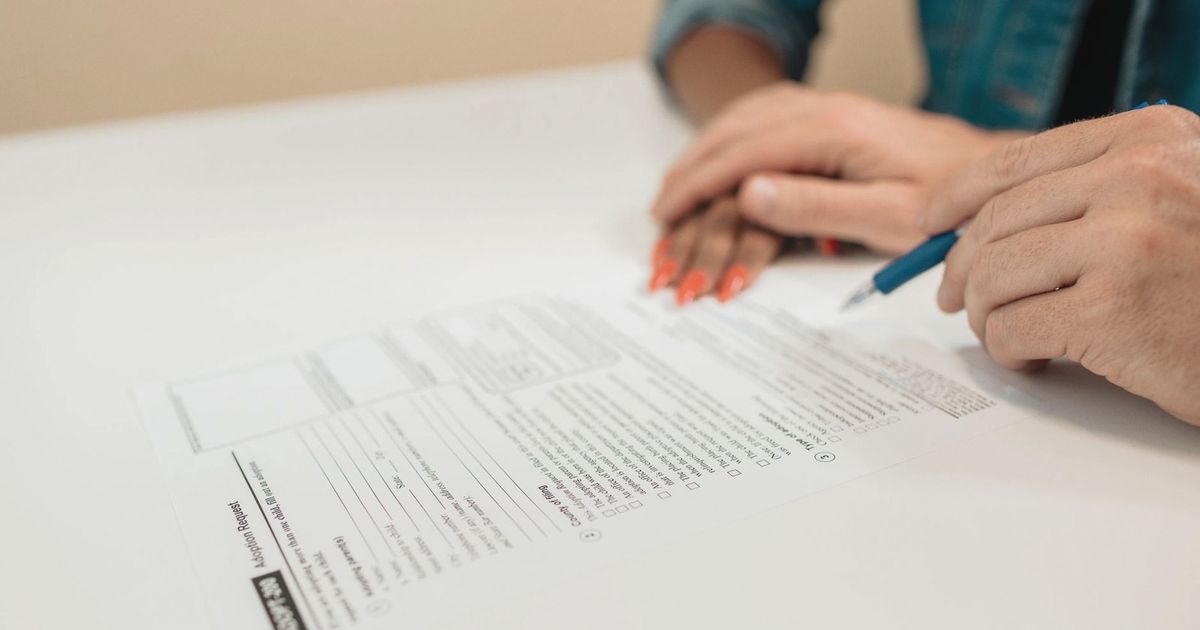
Learning how to set up a trust is less about paperwork and more about a handful of decisions: what kind of trust you need, who will manage it, who will inherit, and how you will actually move your assets into it. Get those decisions right and the document almost writes itself. Get them wrong, or skip the funding step, and you end up with a trust that protects nothing. This guide takes a decisions-first approach to creating a trust. Instead of only listing steps, it walks through the real choices you face, why each one matters, and how couples in particular should think them through. The goal is to help you start your trust with clarity and confidence.
Why Do People Set Up a Trust in the First Place?
People set up a trust to keep their assets out of probate, protect their privacy, and control how their wealth passes to the next generation. A will alone cannot do those things. It must pass through probate, a public court process that commonly costs 3% to 7% of an estate and can run 9 to 18 months, during which accounts and property may be frozen while the family waits.
A revocable living trust solves all three problems at once. Assets inside it skip probate, stay off the public record, and pass to beneficiaries quickly and privately. It also protects you while you are alive: if you become incapacitated, your successor trustee steps in without a court-supervised conservatorship. That combination is why trusts have moved from an ultra-wealthy tool to a foundation for ordinary families, especially homeowners and parents.
What Type of Trust Should You Create?
The first real decision is what type of trust to create. For most couples, this comes down to revocable versus irrevocable. A revocable living trust keeps you in complete control, and you can change or cancel it at any time. An irrevocable trust trades that control for stronger creditor protection and tax advantages. Our guide on revocable vs irrevocable trusts breaks down the difference.
| Question | Revocable living trust | Irrevocable trust |
|---|---|---|
| Can you change or cancel it? | Yes, anytime | No, only in limited ways |
| Who controls the assets? | You do | An independent trustee |
| Avoids probate? | You do | Yes |
| Protects from creditors while alive? | No | Yes, when structured properly |
| Best for | Most couples avoiding probate | Advanced asset or tax protection |
Couples also decide between a joint trust and separate trusts. A joint revocable trust is simpler and works well when most assets are shared, which is common in community property states like California. Separate trusts can make sense when spouses bring significant separate property, such as assets from a prior marriage or a family inheritance.
Who Should You Name to Run and Receive the Trust?
The next decisions are about people, and they matter as much as the legal structure. Three roles need naming:
Who Should Be the Trustee and Successor Trustee?
For a revocable trust, you and your spouse usually serve as your own trustees while alive, keeping full control. The bigger decision is the successor trustee, the person who takes over if you both die or become incapacitated. Choose someone organized, trustworthy, and willing to serve, and always name a backup. Tell them where the documents are kept.
Who Should Be Your Beneficiaries?
Beneficiaries are who receive from the trust. Beyond simply naming them, decide how and when they inherit. A trust lets you stagger distributions, for example releasing funds for education first and the rest at ages you choose, rather than handing a young adult everything at once. Name contingent beneficiaries in case a primary beneficiary passes away.
How Do You Actually Start and Fund the Trust?
Once the decisions are made, starting the trust is straightforward: the document is drafted to reflect your choices, you sign it in front of a notary, and then you fund it. Funding is where the real work, and the real risk, lives. Funding means retitling your assets so the trust owns them. Skip it, and everything you decided is undone, because assets in your own name still go through probate.
Here is how the main assets get funded:
- Real estate: record a new deed transferring your home into the trust. Make this your first win, since it is the biggest probate risk.
- Bank and brokerage accounts: retitle them in the trust's name, usually with a certification of trust the institution provides.
- Retirement accounts and life insurance: do not retitle these. Instead, update the beneficiary designations, since these assets pass by beneficiary form.
- Business interests: assign your ownership stake to the trust.
- New assets going forward: title anything you buy later into the trust, or it falls outside the plan.
A helpful reassurance: moving your primary home into a revocable trust does not trigger your mortgage's due-on-sale clause, thanks to a federal law called the Garn-St. Germain Act.
What Does It Cost to Wait Instead of Setting Up a Trust?
The cost of waiting is usually higher than the cost of acting. Without a funded trust, your estate faces probate, and the numbers are significant. Here is what is at stake in 2026:
| Without a trust (2026) | What it means for your family |
|---|---|
| Probate costs 3% to 7% of the estate | $30,000 to $70,000 on a $1 million estate |
| Formal probate takes 9 to 18 months | Heirs may wait over a year for assets |
| Probate is a public court record | Your finances become searchable by anyone |
| No incapacity protection from a will | A court may control your affairs if you cannot |
| Only 24% of Americans have a will | Most families leave decisions to the state |
A trust still works alongside a will, not instead of one. You need a pour-over will to catch stray assets and to name guardians for your children. See our trust vs will guide for how the two documents fit together.
What Do Couples Get Wrong When Starting a Trust?
The most common error, by far, is never funding the trust. Couples sign the document, feel finished, and leave their assets in their own names. Other frequent mistakes include:
- Choosing a successor trustee without telling them or naming a backup.
- Letting an old beneficiary form, like an ex-spouse on a 401(k), override the trust.
- Only one spouse understanding the plan, which leaves the other lost when it matters.
- Forgetting to fund assets bought after the trust was created.
- Assuming the trust replaces the will, and skipping guardianship designations.
How Does Neptune Fit In?
Neptune helps couples make these decisions together and turn them into a fully funded plan. Through Neptune's estate planning service, you are paired with an independent, highly qualified attorney who prepares your revocable living trust, pour-over wills, healthcare directives, durable powers of attorney, and guardian designations, and guides you through funding it correctly.
Because both partners stay aligned throughout, the plan reflects what you actually decided together rather than one spouse's assumptions. For couples also weighing how marriage affects their finances, our guide on prenup vs trust explains how those tools serve different goals.
The Bottom Line
Setting up a trust starts with decisions, not paperwork: the type of trust, joint or separate, who manages it, who inherits, and how you will fund it. Once those are clear, the document and signing are the easy part, and funding is the step that turns your decisions into real protection. For couples, making these choices together is what gives the plan its strength.
When you are ready to start your trust, Neptune's estate planning service connects you with an independent attorney who helps you make each decision and build a plan that actually holds up.
Frequently asked questions
Should a couple set up one joint trust or two separate trusts?
Many couples use a single joint revocable trust, which is simpler and works well when most assets are shared. Separate trusts can be better when spouses have significant separate property, such as assets from a prior marriage. The right choice depends on your situation.
What is the first thing to do when setting up a trust?
Decide what type of trust you need and take an inventory of your assets. Those two decisions shape everything else, from who you name to how you fund it.
How do you start a trust without a lawyer?
You can use state-specific forms, sign before a notary, and fund the trust yourself, but the execution risk is high. Most self-prepared trusts fail because the grantor never funds them or the document conflicts with state rules. Professional guidance is especially valuable for real estate and beneficiary coordination.
Can I put my house in a trust if I still have a mortgage?
Yes. Transferring your primary residence into a revocable living trust does not trigger the due-on-sale clause, because federal law protects that transfer. Your mortgage stays exactly as it is.
What happens if I set up a trust but never fund it?
The trust has no practical effect on unfunded assets. Anything left in your own name still goes through probate, which defeats the main reason most people create a trust. Funding is what makes the trust work.

Written by
Ronke Oyekunle
Co-Founder & COO, Neptune